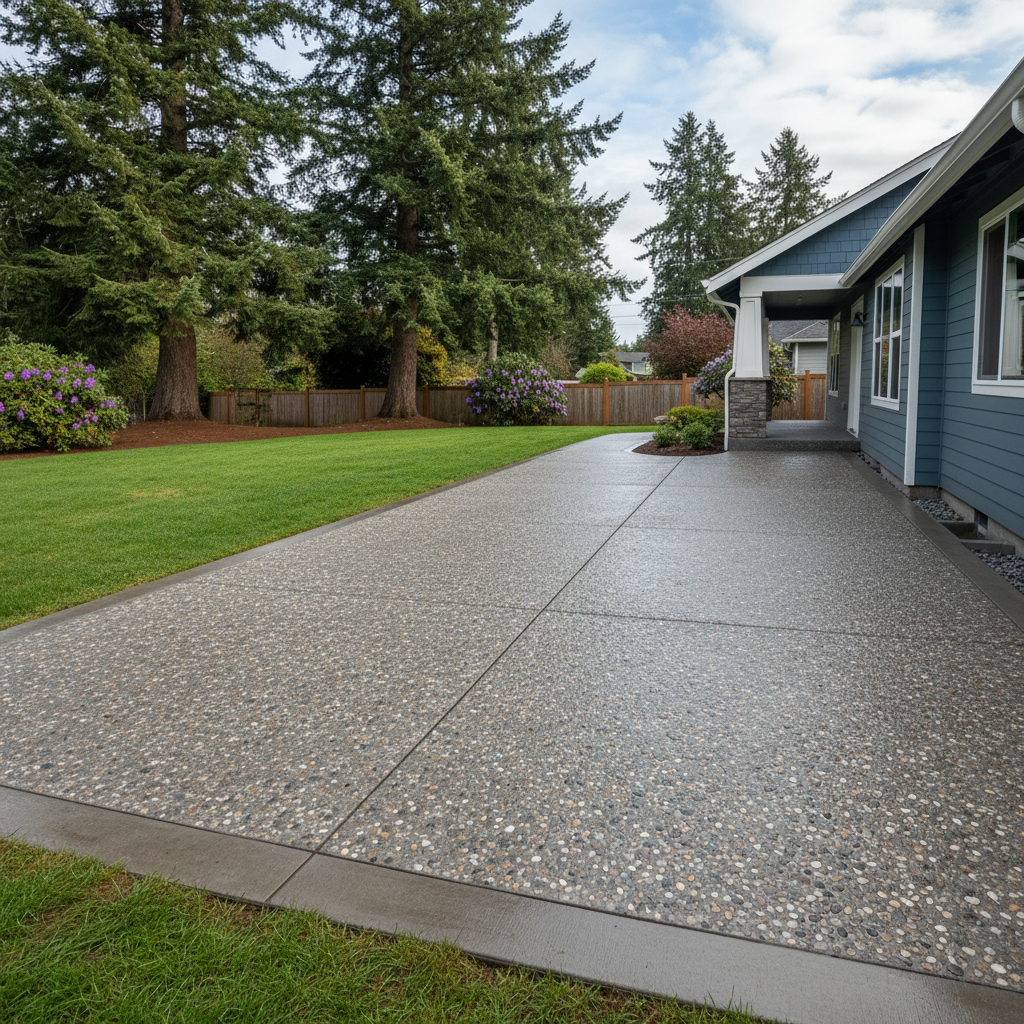
You're ready to upgrade your home with some new concrete – maybe a fresh driveway, a nice patio out back, or even a sturdy foundation for that new shed. That's great! Concrete's a fantastic, durable material when it's done right. But I've seen my fair share of folks in Bremerton make some pretty common, and often costly, mistakes when they're planning these projects or picking someone to do the work. Let's talk about what to watch out for so you don't end up regretting your investment.
Skimping on Site Prep: It's Not Just About the Pour
This is probably the biggest one. People see the concrete truck, they see the crew, and they think the magic happens when the wet stuff hits the ground. Nope. The magic, or disaster, starts way before that. Good site preparation is non-negotiable. You can have the best concrete mix, the most skilled finishers, but if the ground underneath isn't prepped right, you're asking for trouble.
What does 'prepped right' mean? It means proper excavation, ensuring the sub-grade is stable and compacted evenly. It means putting down a good base layer – usually gravel – that's also compacted. And it means addressing drainage. Here in Bremerton, especially with our clay-heavy soils and frequent rain, water management is critical. If water can get under your slab and sit there, it'll eventually cause settlement, cracking, and heaving. I've seen driveways in older East Bremerton neighborhoods, built without proper drainage, that look like roller coasters after a few wet winters. Don't let a contractor tell you they can just pour over existing dirt or a thin layer of gravel. That's a red flag waving in the wind.
Ignoring the Importance of Proper Reinforcement
Concrete is strong under compression, but it's not great under tension. That's where reinforcement comes in. We're talking rebar or wire mesh. It helps hold the concrete together, especially if it cracks, and it adds tensile strength to resist bending and pulling forces. Some homeowners, trying to save a buck, might push for less reinforcement or go with a contractor who suggests it's not really necessary for their project.
Big mistake. Especially for driveways or any slab that's going to see heavy loads or freeze-thaw cycles. Here in the Pacific Northwest, we get enough temperature swings and moisture that concrete will move. Without proper reinforcement, those tiny cracks that naturally form can turn into big, ugly ones that propagate right through your slab. Always confirm what type of reinforcement will be used and how it will be supported off the ground so it's actually in the middle of the slab where it does the most good, not just lying on the dirt.
Focusing Only on the Lowest Bid
Look, I get it. Everyone wants a good deal. But when it comes to concrete, the cheapest bid often means corners are being cut. And those cut corners? They'll cost you more in the long run. A contractor who gives you a significantly lower price than everyone else might be:
- Using inferior materials (lower quality concrete mix, less reinforcement).
- Skipping critical prep steps (like proper compaction or base material).
- Not carrying proper insurance or licensing (a huge risk for you if something goes wrong).
- Paying their crew substandard wages, which can lead to rushed or sloppy work.
- Not planning for proper expansion joints or control joints, which are essential for managing cracking.
It's not about finding the most expensive contractor, it's about finding the right one. The one who explains their process, shows you what they're going to do for site prep, and gives you a detailed, transparent quote. Oasis Concrete Co. prides itself on clear communication and doing things by the book, because we want your concrete to last.
Not Understanding the Curing Process
Once the concrete is poured and finished, the job isn't over. The curing process is vital for concrete to reach its full strength and durability. This means keeping it moist for a period, usually several days to a week or more, depending on the mix and conditions. It prevents the concrete from drying out too quickly, which can lead to surface cracking and reduced strength.
I've seen homeowners eager to use their new driveway or patio too soon, or contractors who don't properly educate their clients on curing. If you're not keeping it wet (with sprinklers, curing compounds, or wet coverings), or if you're driving on it before it's ready, you're compromising its longevity. Ask your contractor about their curing plan and make sure you understand your role in it, if any.
Forgetting About Drainage and Pitch
This goes hand-in-hand with site prep but deserves its own mention. Any exterior concrete slab needs a slight slope, or pitch, to direct water away from your home's foundation or other structures. If your patio slopes towards your house, you're going to have water problems. If your driveway creates a puddle every time it rains, that water will eventually find its way into cracks and cause damage.
A good contractor will always factor in drainage. They'll use levels and string lines to ensure the proper pitch is achieved. Don't assume they'll just do it; ask them how they plan to manage water runoff. It's a small detail that makes a huge difference in the long-term performance of your concrete.
Doing your homework and asking the right questions upfront can save you a lot of headaches and money down the road. Don't be afraid to be thorough. It's your home, and your investment.