What's the real cost of a concrete patio in Bremerton?
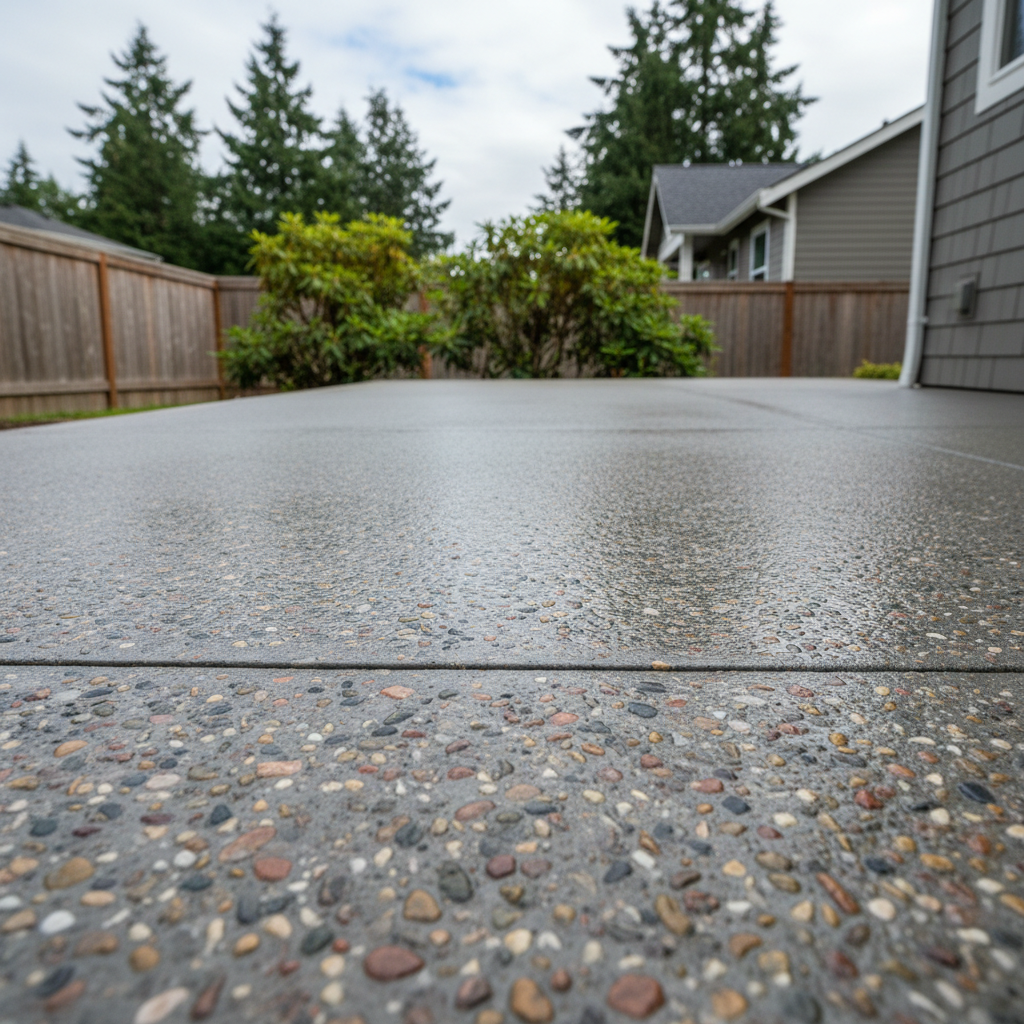
Alright, let's talk brass tacks. This is probably the first question everyone asks, and for good reason. The cost of a concrete patio isn't a one-size-fits-all number, but I can give you a solid idea of what influences it. Generally, you're looking at anywhere from $8 to $18 per square foot for a basic, broom-finish concrete patio here in Bremerton. But that's just the starting line. Things that push that price up include the complexity of the design – curves, multiple levels, or tricky access to the backyard will add to the labor. Decorative finishes like stamped concrete, exposed aggregate, or colored concrete will increase the material and labor costs significantly, sometimes pushing it up to $20-$30 or even more per square foot depending on the intricacy. Site prep is a big one too. If your yard needs a lot of grading, excavation, or if we hit a bunch of old roots or rocks, that's extra work and materials for a proper sub-base. Don't cheap out on the prep; it's what makes the patio last. We'll always give you a clear breakdown of these costs before we start any work.
How long does a concrete patio last around here?
A well-installed concrete patio, especially one done right by a company like Oasis Concrete Co, should last you a good 20 to 30 years, easily. I've seen some go even longer if they're properly maintained. What makes the difference? It boils down to a few key things: the quality of the mix, the sub-base preparation, proper drainage, and good curing. Here in Bremerton, with our wet winters and freeze-thaw cycles, getting the right concrete mix with a good air-entrainment is crucial. This helps it resist damage from freezing water. A solid, compacted gravel base prevents settling and cracking. And making sure water drains away from the slab, not under it, is non-negotiable. If you seal it every few years, keep it clean, and address any small issues quickly, you'll get decades of enjoyment out of it.
Do I need a permit for a concrete patio in Bremerton?
This is a common question, and the answer is usually no, not for a standard ground-level patio. Most residential concrete patios that are at grade, meaning they're not raised significantly above the ground and don't involve structural elements like retaining walls over a certain height, typically don't require a building permit from the City of Bremerton or Kitsap County. However, there are always exceptions. If your patio is going to be covered by a roof, attached to the house in a structural way, or involves significant grading changes that affect drainage onto a neighbor's property, then you absolutely need to check with the planning department. It's always best to make a quick call to the City of Bremerton's permit office if you're unsure, just to be safe. You don't want to get halfway through a project and find out you're in violation.
What's the deal with stamped concrete? Is it worth it?
Stamped concrete is a fantastic way to get a high-end look without the high-end price tag of natural stone, pavers, or brick. Is it worth it? I'd say yes, for a lot of folks, it definitely is. You can mimic almost any material – flagstone, wood planks, cobblestone, even slate – and you get a huge range of colors to choose from. The durability is still there because it's concrete, but you get that aesthetic appeal. The main drawback is the cost; it's more expensive than plain concrete because it's a more labor-intensive process and requires specialized tools and expertise. Also, while it looks great, the patterns mean it's not quite as perfectly smooth as a broom-finish, so if you're pushing a wheelchair or have very uneven footing, that's something to consider. But for adding serious curb appeal and a custom touch to your outdoor living space, it's a winner.
How do I keep my concrete patio looking good in our Bremerton weather?
Our Pacific Northwest weather can be tough on outdoor surfaces, but keeping your concrete patio looking good isn't rocket science. The biggest thing is sealing. I recommend sealing your patio every 2-3 years, especially if it's exposed to a lot of rain and sun. A good quality penetrating sealer will protect against moisture, stains, and UV damage. Cleaning is also key. Don't let moss and mildew build up, which can happen quickly in our damp climate, particularly in shaded areas like under big fir trees. A simple pressure wash once a year, or even just scrubbing with a stiff brush and a mild detergent, will do wonders. Avoid harsh chemicals that can damage the sealer or the concrete itself. If you spill something like oil or grease, clean it up immediately. The quicker you act, the less likely it is to stain. And in winter, if you use de-icers, make sure they're concrete-safe. Rock salt can be really damaging.
Can I pour a concrete patio over an old, existing one?
This is a common question when people want to refresh an old patio without the hassle and cost of demolition. The short answer is: sometimes, but usually it's not the best long-term solution. You *can* pour a new concrete layer over an existing one, but there are some critical conditions. The old patio needs to be in relatively good shape – no significant cracking, heaving, or settling. If the old slab is unstable, the new one will just crack along with it. You also need to ensure proper drainage and maintain the correct finished height relative to your house and landscaping. A new layer needs to be at least 2 inches thick, ideally more, and you'll need to use a bonding agent to help the new concrete adhere to the old. Honestly, in most cases, especially if the old patio has seen better days, I'd recommend tearing out the old one and starting fresh. It gives you a much more durable and reliable result. It's more work upfront, but it prevents headaches down the road. You don't want to spend money twice.
What's the best time of year to pour a concrete patio in Bremerton?
The ideal time to pour concrete in Bremerton, or anywhere in the Pacific Northwest, is during the spring or fall. You want temperatures to be consistently above freezing, ideally between 50 and 70 degrees Fahrenheit, for the best curing conditions. Spring (April to June) is great because the ground has thawed, and while we still get rain, it's usually not the torrential downpours of winter. Plus, the moderate temperatures allow the concrete to cure slowly and gain strength properly without drying out too fast. Fall (September to October) is also good for similar reasons, after the summer heat has passed but before the deep cold and constant rain set in. Pouring in the middle of summer can be tricky because concrete can dry too quickly, leading to shrinkage cracks. And winter? Forget about it if you can. Pouring in freezing temperatures requires special additives and protection, which adds cost and complexity, and it's just not worth the risk to the concrete's integrity if you can avoid it. We're always watching the forecast closely to pick the best days for our clients.