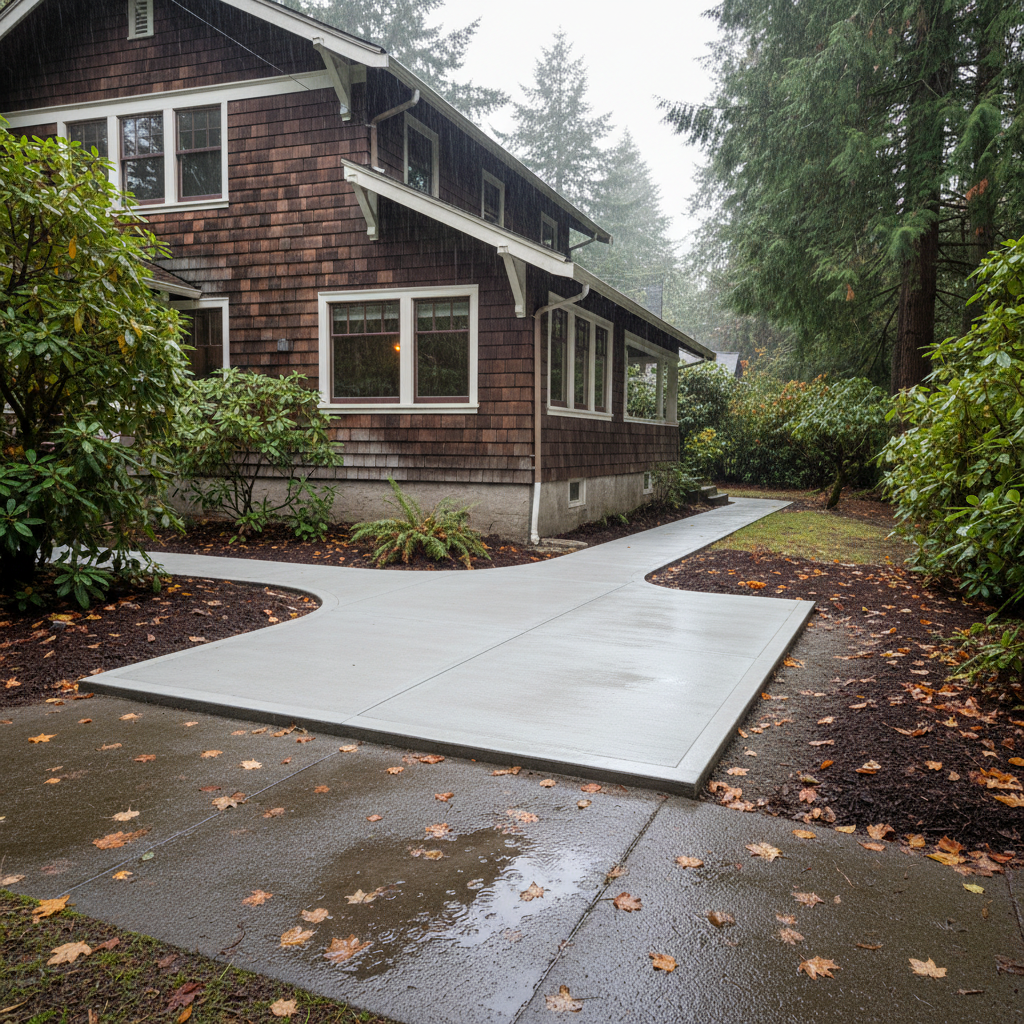
You've got concrete around your home, right? Driveways, sidewalks, maybe a patio. And if you're like most folks in Bremerton, you've probably noticed it takes a beating from our weather. It's not just the rain, though we get plenty of that. It's the freeze-thaw cycles, the constant damp, and even the moss that loves to grow in our shady spots. Knowing when to get those repairs done, and how to keep your concrete looking good, is key to making it last.
When's the Best Time for Concrete Repair?
This is probably the most common question I get at Oasis Concrete Co. Everyone wants to fix their cracks or level their uneven slabs, but they're not sure if they should wait. Here's the deal: concrete needs specific conditions to cure properly. It's a chemical reaction, and temperature and moisture play a huge role.
- Spring (Late April to June): This is prime time. The ground has usually dried out a bit from winter, and temperatures are consistently above freezing, but not scorching hot. We get some nice, mild days, and the nights aren't dipping too low. This allows the concrete to cure slowly and strongly, which means a more durable finish for you.
- Summer (July to Early September): Still good, especially if we're not in a heatwave. If it's too hot, concrete can dry out too quickly, leading to surface cracking or reduced strength. We can work around this by using curing compounds or keeping the concrete damp, but mild is always better.
- Fall (Late September to Mid-November): Can be tricky. If we get an early cold snap or too much rain, it's not ideal. You need at least 48-72 hours of above-freezing temperatures for new concrete or major repairs to set up right. If the forecast looks clear and mild, we can definitely get work done.
- Winter (December to March): Generally, I tell people to hold off on anything but emergency repairs. Our wet, cold winters with those notorious freezing nights – especially in areas like Manette where the hills can get slick – are just not good for pouring or repairing concrete. It takes longer to cure, it's more susceptible to damage, and honestly, it's just not worth the risk of a weaker end product.
So, if you're thinking about getting some work done, start planning in late winter or early spring. That way, you can get on the schedule for those ideal spring or early summer months.
Weather Conditions That Affect Concrete Work
It's not just about the season; it's about the day-to-day weather. Here's what we look at:
- Temperature: As I said, above freezing is a must. Ideally, we want temps between 50°F and 70°F for pouring and curing. Too cold, and the water in the mix can freeze, expanding and damaging the concrete's internal structure. Too hot, and it dries too fast, leading to shrinkage cracks.
- Rain: Freshly poured concrete and heavy rain don't mix. It can wash out the cement paste, weaken the surface, and affect the finish. We watch the forecast carefully. Light drizzle isn't usually a deal-breaker if we can cover it, but a downpour? We'll reschedule.
- Wind: A lot of wind can dry out the surface of new concrete too quickly, even on a mild day. This can cause 'plastic shrinkage cracks' before the concrete has even fully set.
- Humidity: High humidity means slower drying, which can be a good thing for strength. Low humidity, especially with wind, speeds up drying and can cause issues.
Basically, we're looking for a Goldilocks day: not too hot, not too cold, not too wet, not too windy. Sounds like a lot, but we know what we're doing to get it right.
Protecting Your Concrete Investment Year-Round
Once you've got solid, well-repaired concrete, you want to keep it that way. Here are some simple things you can do:
- Seal It: This is huge, especially in our climate. A good quality sealer applied every few years (check the product's recommendations) will protect your concrete from moisture penetration, oil stains, and the freeze-thaw damage that's so common here. It's like putting a raincoat on your driveway.
- Clean It Regularly: Sweep off leaves and debris. Power wash it once a year to remove dirt and grime. For moss and mildew, which is practically a given here in the Pacific Northwest, use a concrete-safe cleaner or a diluted bleach solution (test a small spot first!). Don't let that green stuff take over; it holds moisture against the surface.
- Deal with Spills Promptly: Oil, grease, rust – clean them up as soon as you can. The longer they sit, the harder they are to remove and the more likely they are to stain.
- Avoid De-icing Salts: Most de-icing salts can damage concrete, especially newer concrete. If you need to clear ice, use sand for traction or a concrete-safe de-icer. Shoveling is always the best option.
- Mind Your Drainage: Make sure water isn't pooling on or near your concrete surfaces. Proper drainage is crucial to prevent water from seeping underneath and causing erosion or freeze-thaw heaving.
Taking a little time to care for your concrete throughout the year will extend its life significantly. If you've got questions about your specific situation or you're ready to get some repairs on the books, give us a call at Oasis Concrete Co. We're here to help you keep your Bremerton home looking great, from the ground up.